Why Dressing for the Room You're Walking Into Matters More Than Dressing for Your Age
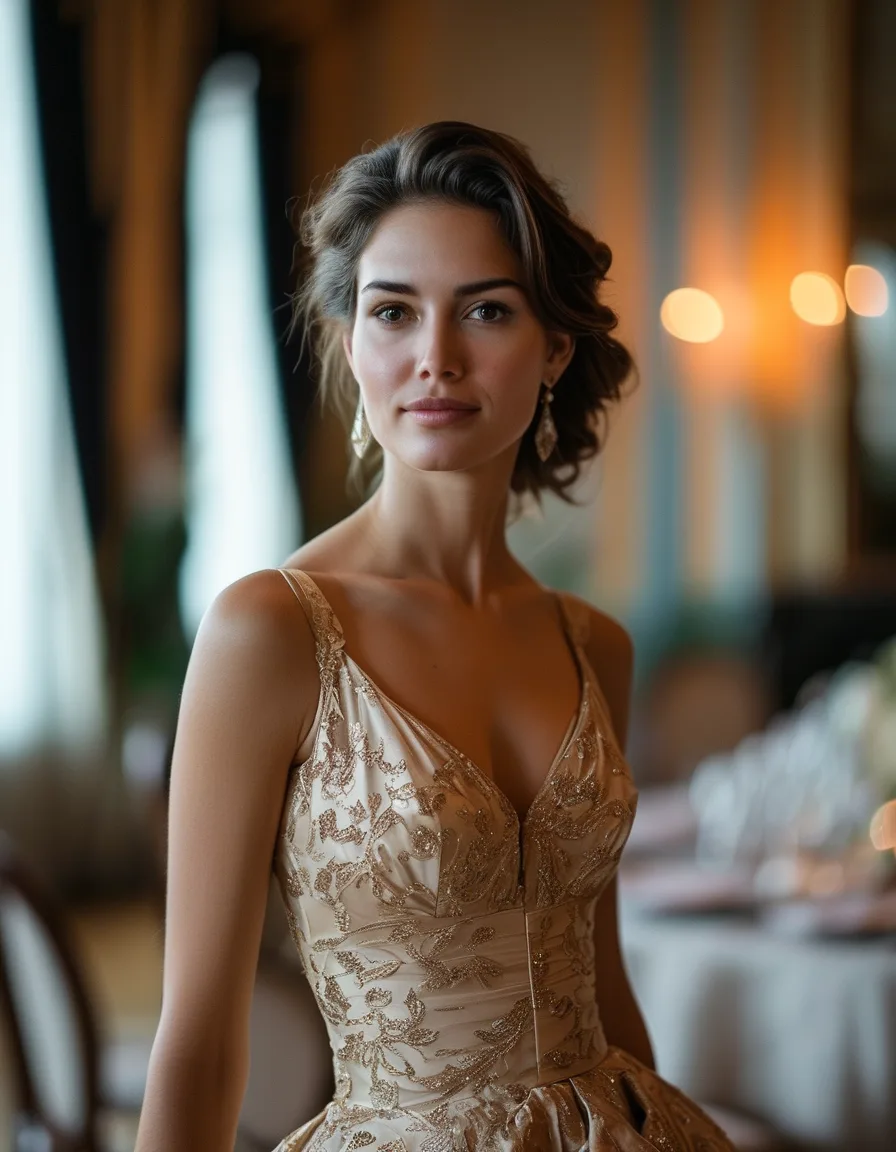
So much style advice for women past a certain age focuses on what’s supposedly age-appropriate, but the thing that actually registers as off to other people in a room is almost never age — it’s a mismatch between how formal or casual an outfit is and how formal or casual the actual room turns out to be.
Why Formality Mismatch Is What People Actually Notice
The real signal: other-guests-register-a-noticeably-more-or-less-formal-outfit-than-the-rooms-baseline-far-more-consciously-than-they-register-anything-related-to-age-at-all (other guests in a room registering a noticeably more or less formal outfit than the room’s established baseline far more consciously, and far more quickly, than they register anything related to the wearer’s age at all, per the dress-your-age-myth logic — other-guests-registering-a-noticeably-more-or-less-formal-outfit-than-the-rooms-established-baseline-far-more-consciously-than-they-register-anything-related-to-age), and the reframe (the actual mismatch being situational, between outfit and room, not personal, between outfit and age)).

Why Age-Based Rules Distract From the Real Variable
The distraction: rules-framed-around-age-direct-attention-toward-a-static-personal-number-instead-of-toward-the-actual-changing-context-of-wherever-the-outfit-is-about-to-be-worn (style rules framed specifically around age directing attention toward a fixed, unchanging personal number, instead of toward the actual variable that changes every single time — the specific context and formality level of wherever the outfit is about to be worn, per the timeless-style-principles logic — style-rules-framed-around-age-directing-attention-toward-a-fixed-unchanging-personal-number-instead-of-toward-the-actual-variable-that-changes-every-time-the-context-and-formality-of-the-room), and the frame (age-based rules solving for the wrong variable entirely, one that isn’t actually the source of the mismatch)).
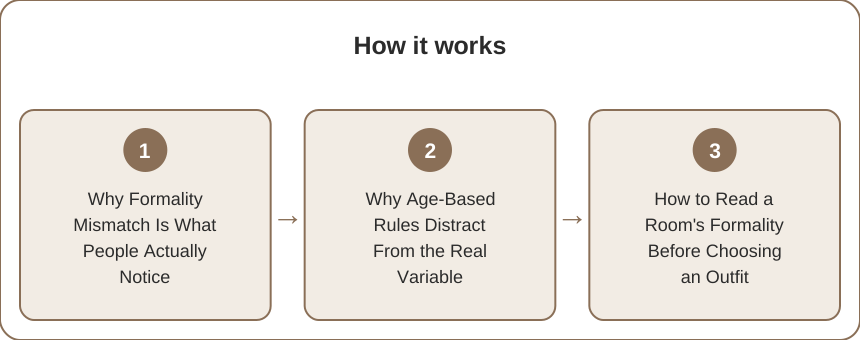
How to Read a Room’s Formality Before Choosing an Outfit
The practice: check-the-venue-time-of-day-and-stated-dress-code-or-precedent-from-past-similar-events-and-let-that-context-not-a-personal-age-number-set-the-formality-target (checking the venue, the time of day, and any stated dress code or precedent from similar past events, and letting that actual context, not any personal age number, set the formality target for the outfit, per the occasion-dressing-after-50 logic — checking-the-venue-time-of-day-and-any-stated-dress-code-or-precedent-from-similar-past-events-and-letting-that-actual-context-not-a-personal-age-number-set-the-formality-target), and the frame (context-reading replacing age-checking as the actual pre-outfit step that matters).
Other guests in a room register a noticeably more or less formal outfit than the room’s established baseline far more consciously than they register anything related to age, which means style rules framed around age are directing attention toward the wrong variable entirely — a fixed personal number instead of the actual context that changes every time. Checking the venue, time of day, and any stated dress code or precedent from similar past events, and letting that context set the formality target, replaces an age-based check with the one that actually predicts whether an outfit reads as right for the room.
Keep Reading
This article is for general styling and informational purposes only. Trends, sizing, availability and pricing may vary by brand and season.